Movine Care
Worried About a Loved One at Home?
Get a Free Care Consultation.
We'll contact you shortly.
Licensed & Regulated Home Care Provider
By the State of Tennessee
By the State of Tennessee
Care That Feels Like Family
Care That Feels Like Family

Last week, I stopped by a senior community, and had a conversation with one of the seniors. She said something simple but powerful: “my daughter thinks I am doing better than I actually am“ From the outside, she looked fine. Dressed. Smiling. Holding a conversation.
If you visited for 10 minutes, you would probably leave feeling relieved.
But as we talked longer, a different picture started to emerge.
She told me she gets tired just trying to keep up with basic things and that she doesn’t always say it because she doesn’t want to worry her kids.
This isn’t rare.
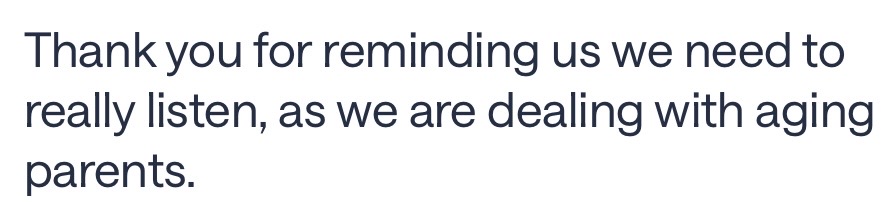
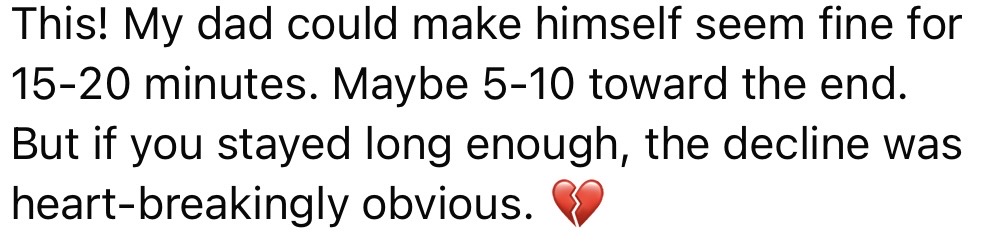
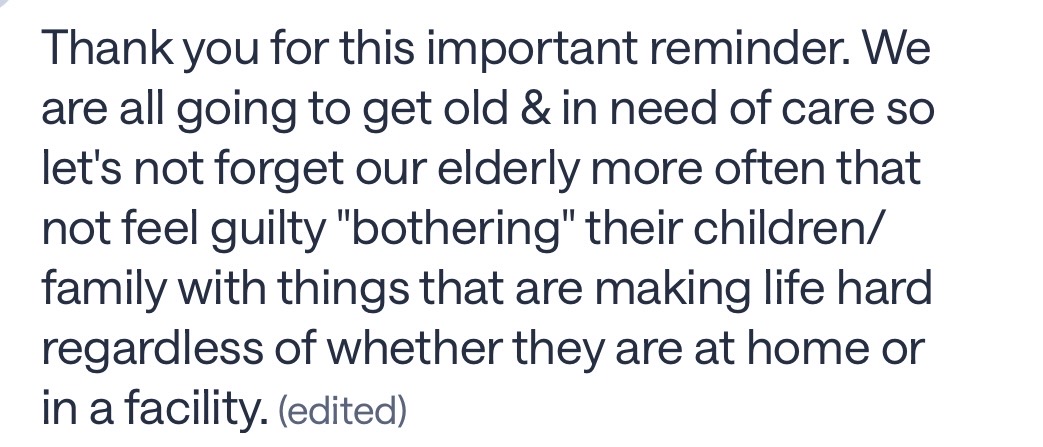
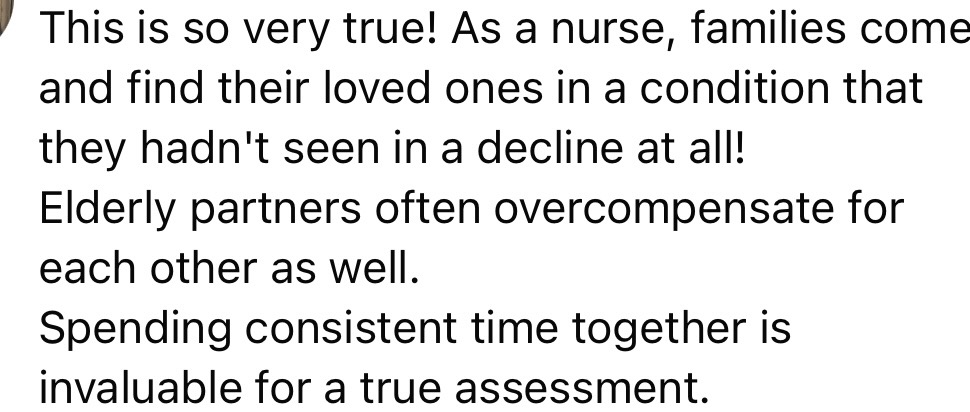
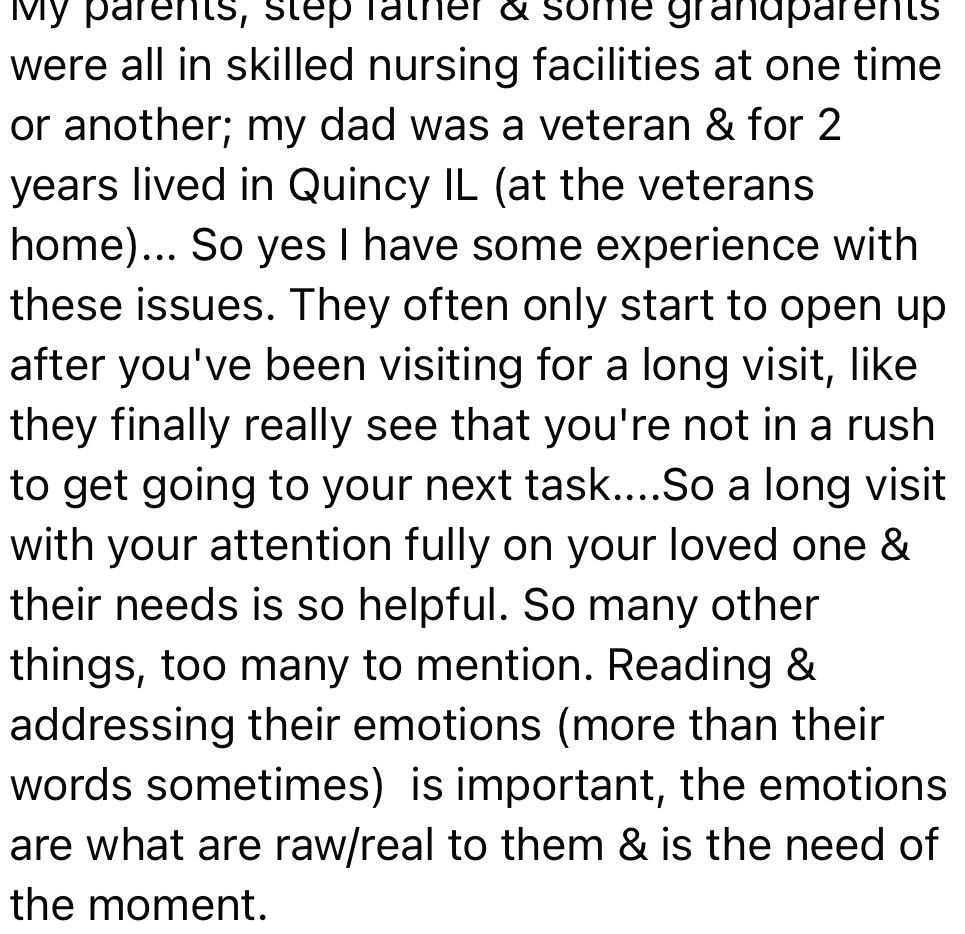
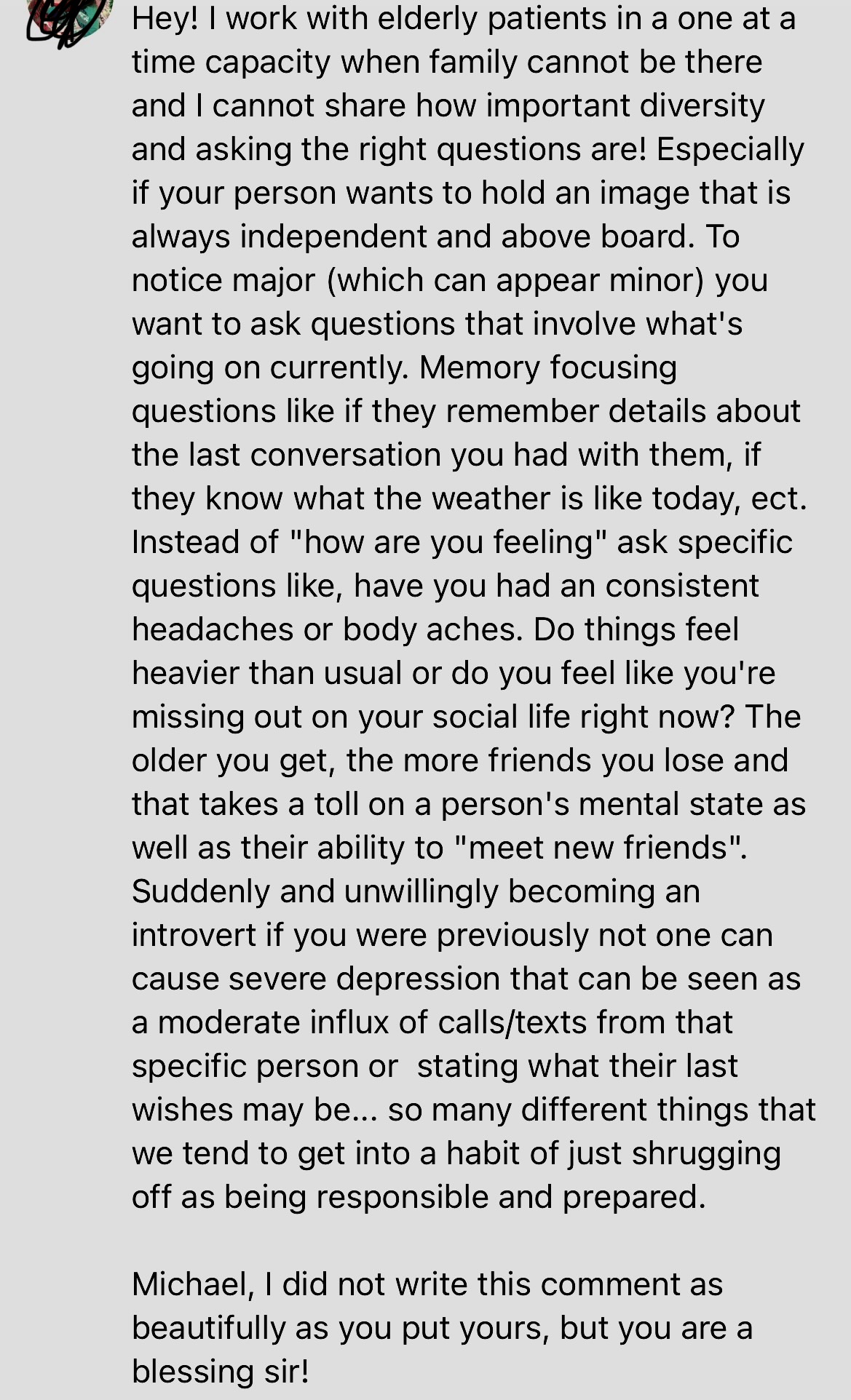
In fact, after sharing this story on Facebook and Nextdoor, so many people responded with similar experiences:
The pattern is clear:
Many aging parents don’t tell the full truth about how they’re doing, not because they’re hiding something but because they’re trying to protect you.
From what we see every day working with families in Nolensville, Franklin, Nashville, and across Middle Tennessee, there are a few common reasons:
They know you have your own responsibilities: work, kids, life.
So they minimize their struggles.
Admitting difficulty can feel like:
Many older adults were raised to:
Sometimes, decline happens so gradually that it feels “normal” to them.
One of the most powerful insights from the comments was this:
People can “perform” being okay for a short time.
And it’s true.
For 10–15 minutes, your parent might:
But if you:
You start to see what’s really going on.
“Are you okay?” often gets an automatic answer like “I’m fine.”
But small changes in how you ask can reveal much more.
Try questions like:
These questions open the door to honest, deeper conversations.
From the responses, a few powerful truths stood out:
Sometimes, just letting a parent express what they’re going through:
Not rushed check-ins.
But time where:
What seems small like:
…can be early signs of something bigger.
If your parent is saying they’re fine, but you notice:
It may be worth looking a little deeper.
Stay longer than usual.
Observe, don’t just check in.
Shift from surface-level to meaningful questions.
Look at changes over time not just one visit.
Make it clear:
“You can tell me how things really are I’m here for you.”
Sometimes, a little support can go a long way.
In-home care for seniors can help with:
In communities like Nolensville, Nashville, and Murfreesboro, and other surrounding communities, many seniors are:
At Movine Care, we see this every day.
And often, the families who reach out say the same thing:
“We didn’t realize how much help they actually needed.”
That one sentence keeps coming back:
“My daughter thinks I’m doing better than I actually am.”
And it raises an important question:
Are we really seeing the full picture?
Sometimes, the most important thing we can do isn’t to fix anything right away…
It’s to:
Because what’s not being said
is often where the truth lives.
If you’re starting to wonder whether your loved one needs more support at home in Nolensville, Nashville, or nearby areas, Movine Care is here to help.
We provide compassionate, personalized home care services in Middle Tennessee focused on safety, dignity, and real understanding. Please reach out to us and let’s help.